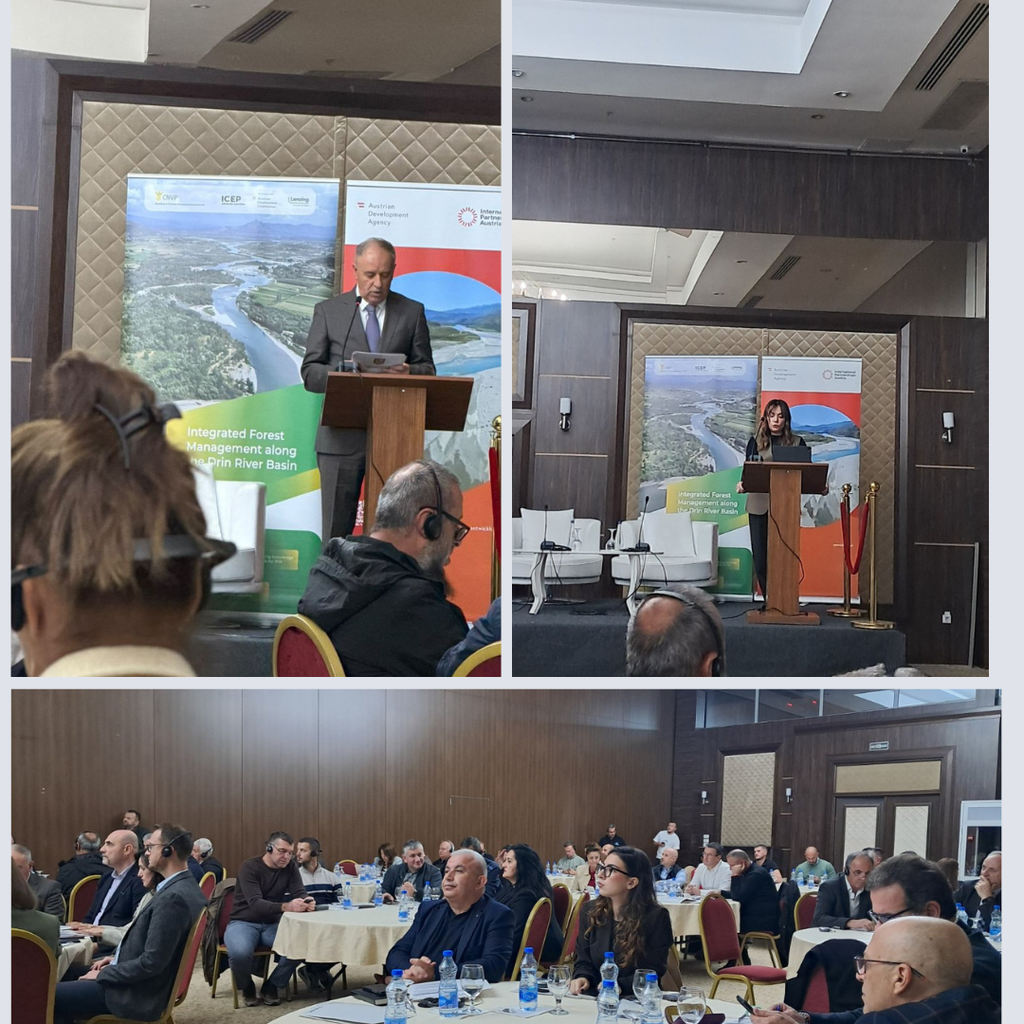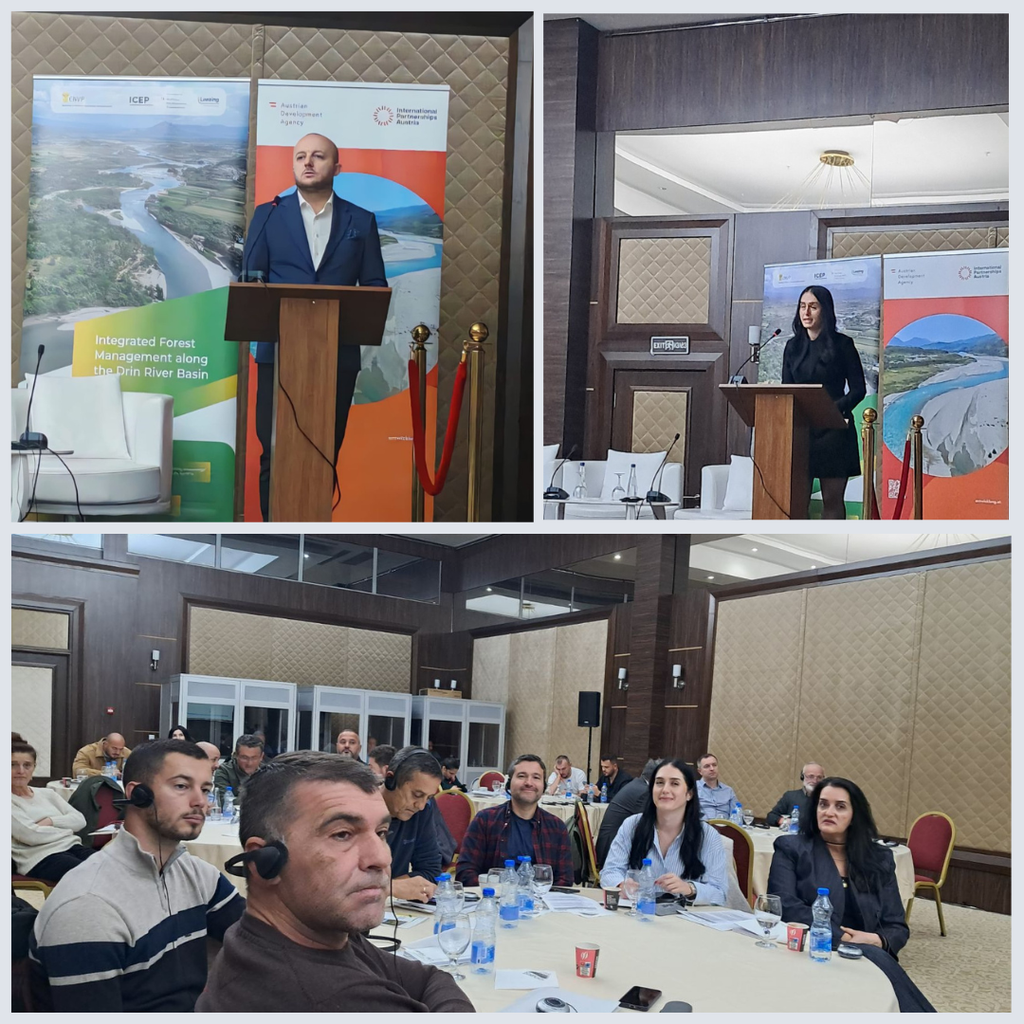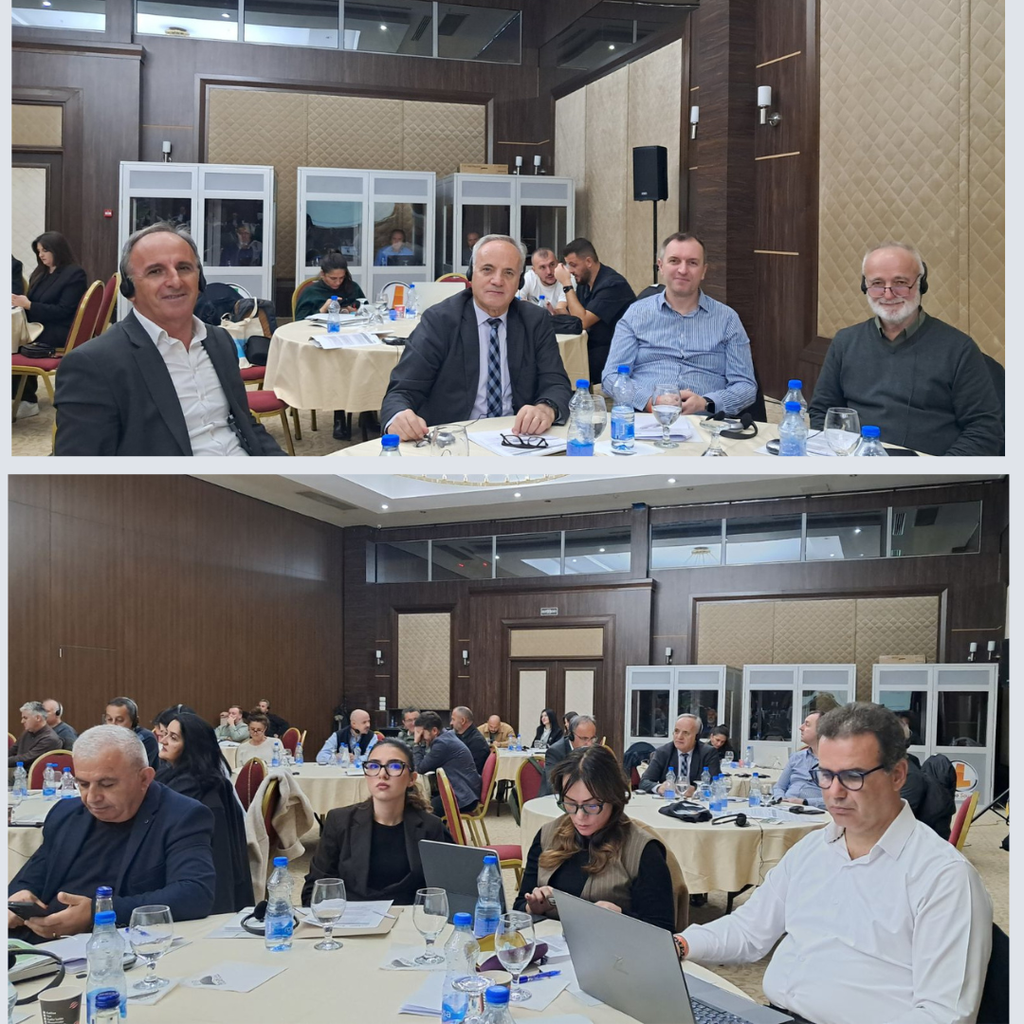

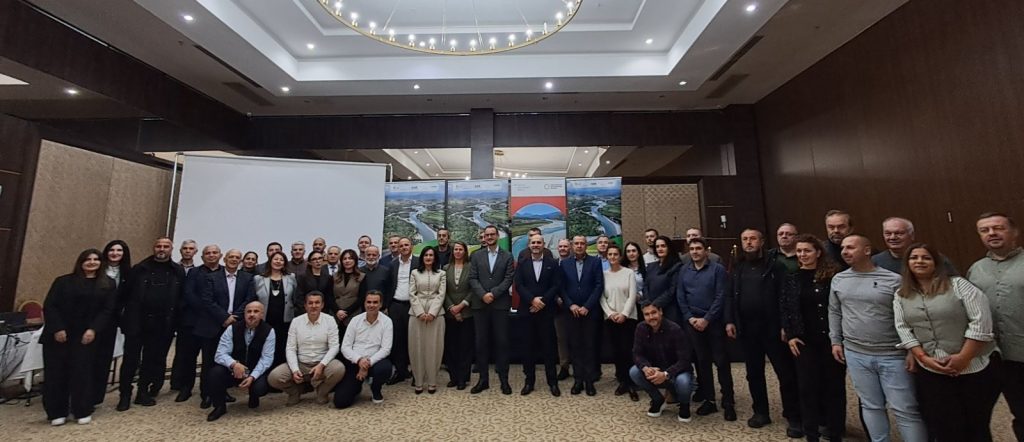
Struga, 11 November 2026 – Regional experts, representatives of institutions, policymakers, forestry professionals, international organisations, development partners and private sector representatives from North Macedonia, Albania, Kosovo and Montenegro gathered in Struga, North Macedonia, for a regional expert roundtable entitled “Integrated Forest Management in the Western Balkans: Lessons Learned, Challenges and Future Directions.”
The event provided a platform for exchanging knowledge, experiences and good practices, with a focus on common challenges and opportunities for advancing integrated and sustainable forest management across the region.
The event opened with welcoming remarks by Nehat Ramadani, Director of CNVP North Macedonia, who highlighted the importance of reflecting on achievements, sharing experiences and strengthening regional cooperation.
“Today’s Regional Expert Roundtable is both an opportunity to reflect on what we have achieved and, more importantly, an opportunity to look ahead. We are not gathered here simply to present another set of project results. We are here to exchange experiences, challenge conventional approaches, learn from one another, and explore how successful practices can become lasting solutions,” emphasised Nehat Ramadani.
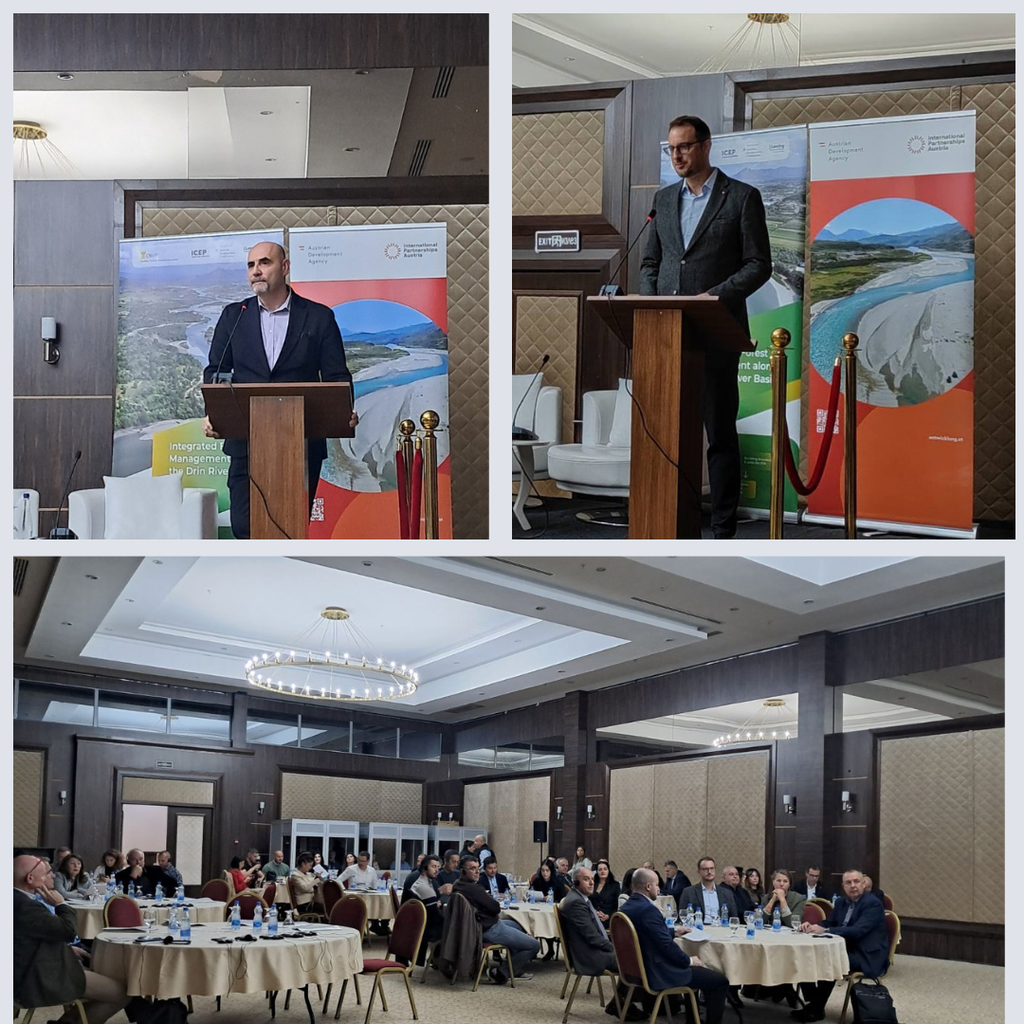
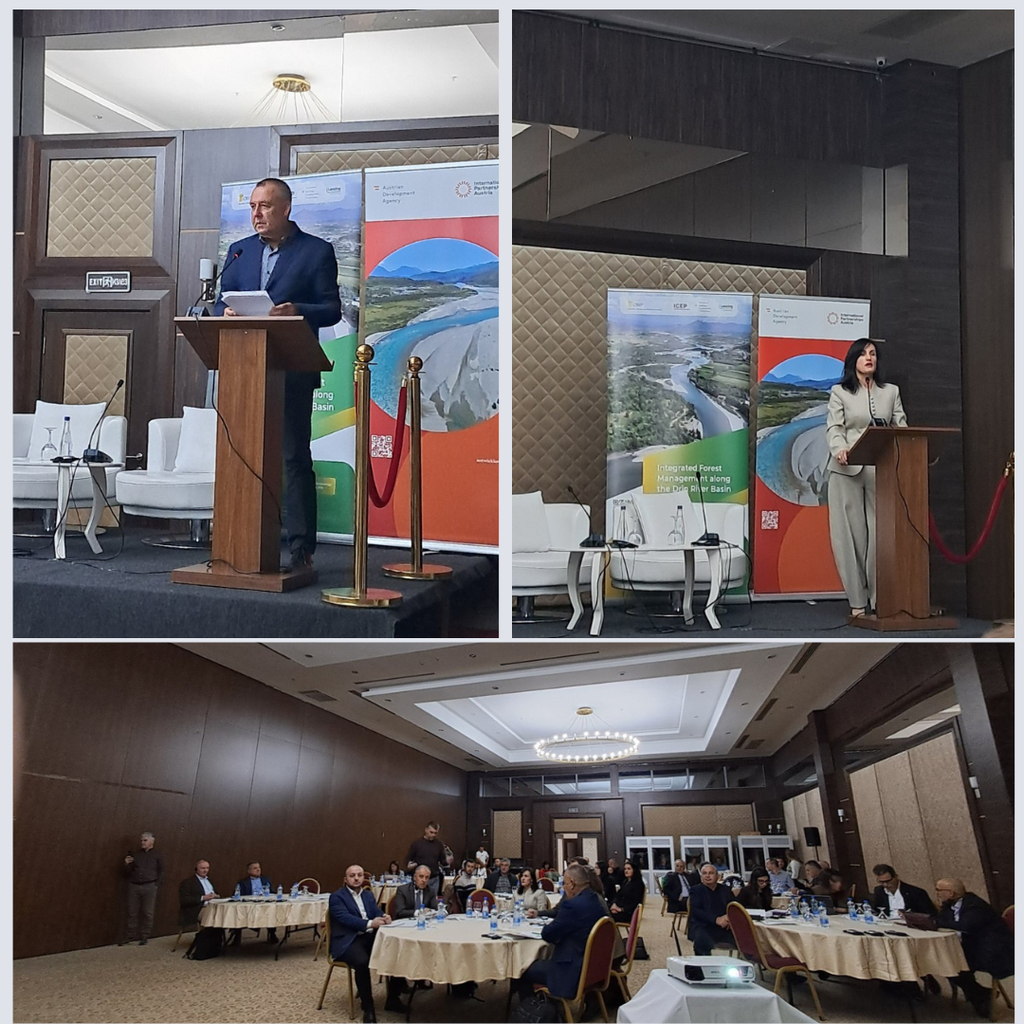
The opening session also featured addresses by David Muckenhuber from the Austrian Development Agency (ADA); Mendi Qyra, Mayor of Struga Municipality; Elda Xhumari, Deputy Minister of Environment of Albania; Bojana Malidžan from the Ministry of Agriculture, Forestry and Water Management of Montenegro; and Besim Zogu, Acting Secretary General at the Ministry of Agriculture and Rural Development of Kosovo.
Anila Aliaj, Director of CNVP Albania, presented the key results and achievements of four years of regional cooperation under the project “Integrated Forest Management along the Drin River Basin.”
“Over the past four years, our cooperation across Albania, Kosovo, North Macedonia and Montenegro has helped restore 119 hectares of forest, plant more than 119,000 native trees and equip around 2,100 people with the knowledge to better care for their forests. But our greatest achievement is the people and partnerships behind these results: communities taking action, experts sharing knowledge and institutions working across borders. I believe lasting change comes when we combine science with local experience and work with nature, not against it. Our goal is not simply to restore forests today, but to leave healthier landscapes and stronger communities for future generations,” said Anila Aliaj.
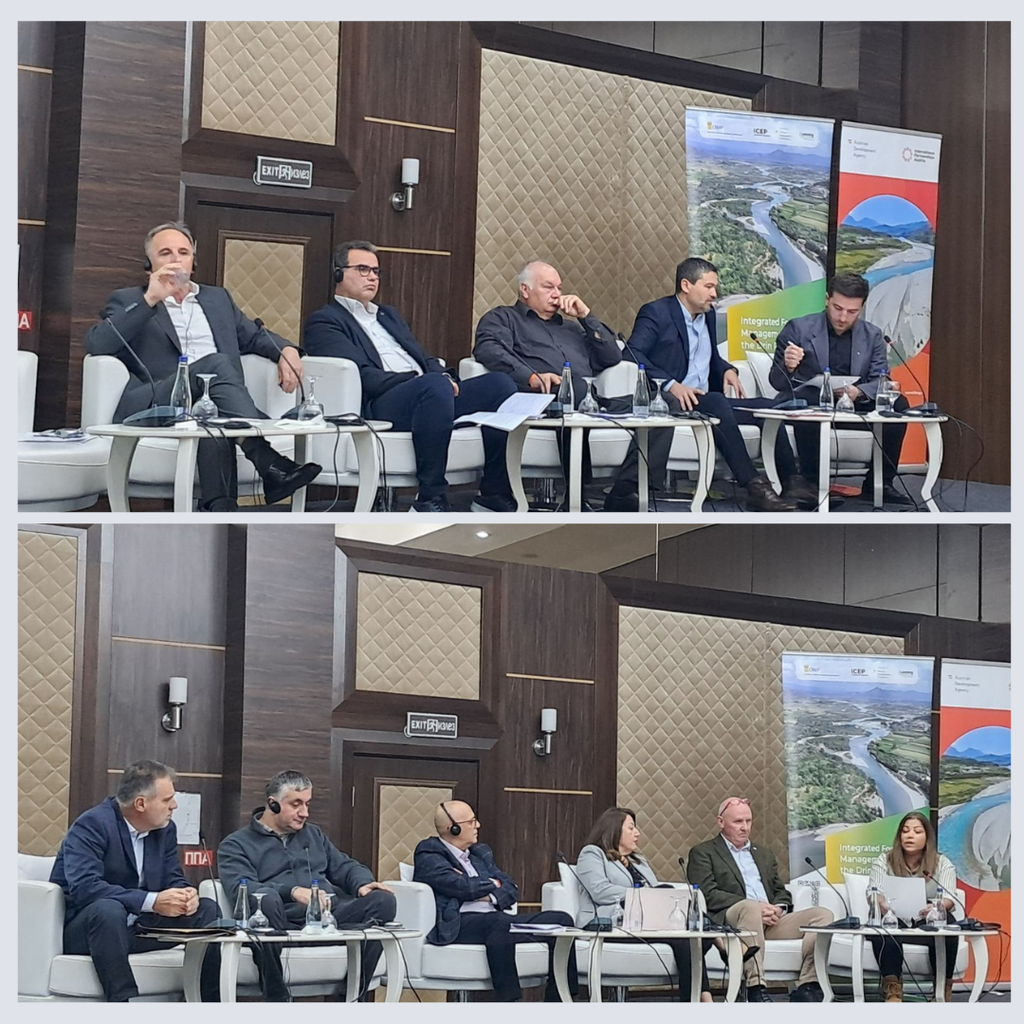
The programme included two panel discussions focusing on advancing policies and practices for sustainable forest management, as well as promoting green businesses and strengthening local economies through the sustainable use of forest resources.
Discussions addressed key topics such as forest ecosystem restoration, biodiversity conservation, climate resilience and the creation of sustainable livelihood opportunities for local communities. Participants exchanged perspectives on practical solutions, shared priorities and opportunities to strengthen regional partnerships and ensure continued cooperation beyond the completion of the project.
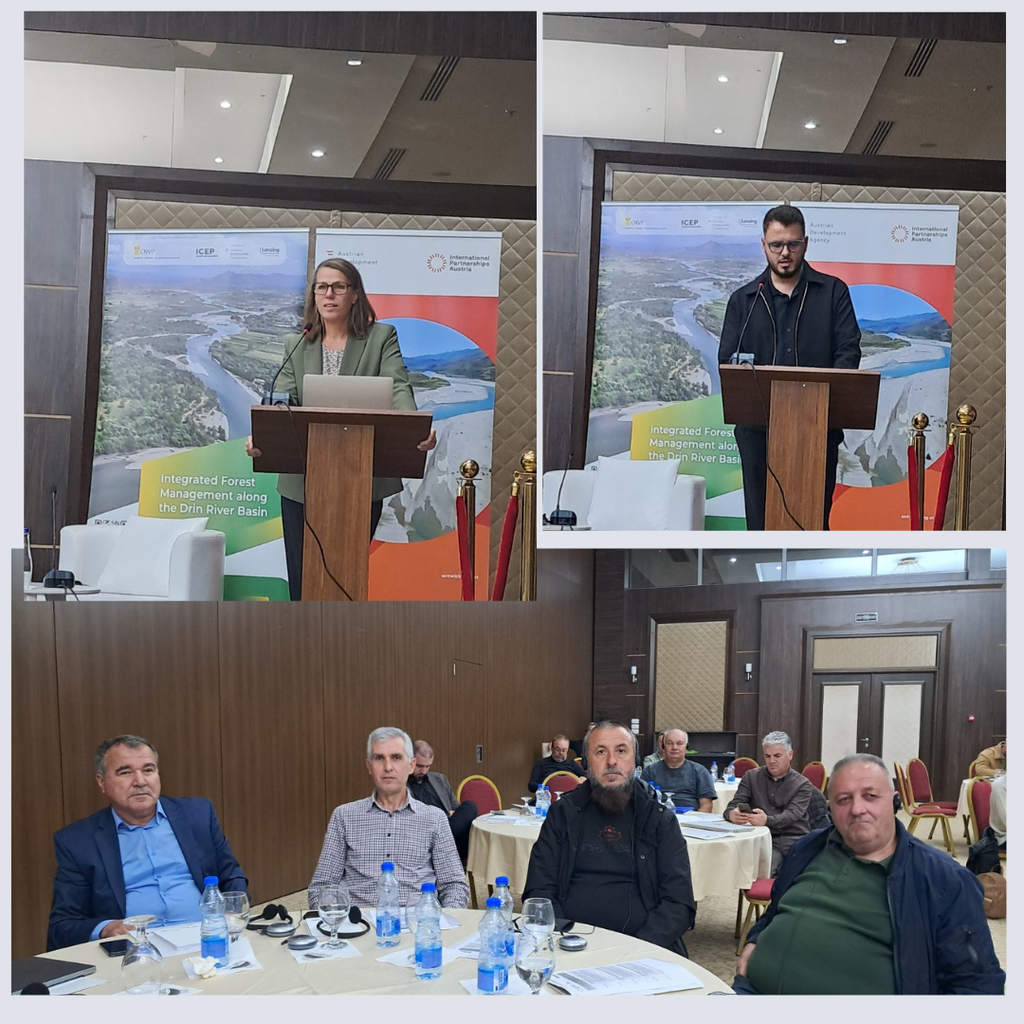
“By supporting this project, ADA recognises that the forests of the Drin River Basin are much more than just a natural resource. They support biodiversity, climate resilience and water security. They also contribute directly to the well-being of communities across the Western Balkans.” This was highlighted by David Muckenhuber, Head of the Regional Office for Technical Cooperation Coordination of the Austrian Embassy, covering Albania, Montenegro and North Macedonia, within the Austrian Development Agency (ADA).
One day prior to the roundtable, regional experts participated in a field visit to Mount Jablanica, where they gained first-hand insight into its rich biodiversity, natural habitats and ecosystems. The visit was organised and led by the CNVP North Macedonia project team.
Reflecting on the importance of continuing regional cooperation beyond the project, Astrid Taus, Head of Social Impact at ICEP, emphasised: “The future of the forests in the Drin River Basin requires long-term commitment from all sides. Projects can initiate change, but lasting impact depends on institutions, communities, experts, businesses and development partners continuing to work together beyond individual project cycles. Drin Forest Futures is about building on what has been achieved and turning regional cooperation into long-term action for resilient forests and sustainable livelihoods.”
The regional expert roundtable was organised within the framework of the “Integrated Forest Management along the Drin River Basin” project, implemented by CNVP in North Macedonia, Albania, Montenegro and Kosovo, in partnership with ICEP – weltweit mehr unternehmen, with financial support from the Austrian Development Agency (ADA) through the “International Partnerships Austria” programme.