

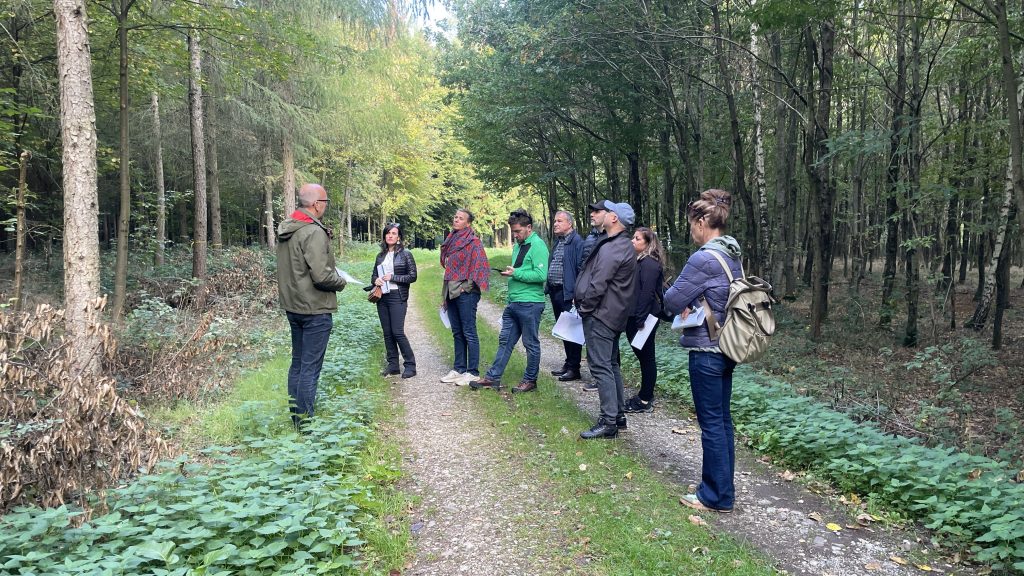
A CNVP Foundation delegation visited Austria from 6 to 8 October 2026 to exchange experience with Austrian forestry institutions and experts. The study visit brought together CNVP colleagues from Albania, Kosovo, Montenegro and North Macedonia and focused on practical ways to manage forests sustainably, strengthen forestry skills and prepare forests for climate change.
The visit started in Vienna, where the group met with representatives of ICEP. It was a chance for participants to get to know one another, discuss the purpose of the visit and share some of the challenges facing forestry in their own countries.
On the following day, the delegation travelled to Tullnerbach to visit the Biosphere Park Wienerwald. There, the team learned how the biosphere reserve works with municipalities, local communities and other partners. The discussions showed that forest protection does not have to be separated from local development. Sustainable forest use, nature conservation, education and tourism can support each other when local people are involved in planning and decision-making.
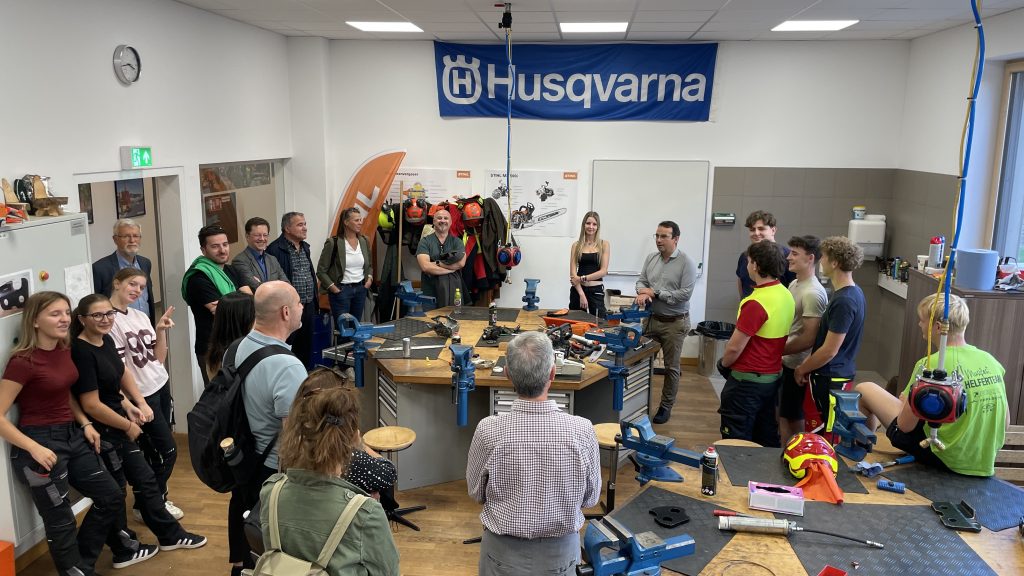
The group then continued to FAST Traunkirchen, Austria’s Forestry Training Centre. This part of the visit was especially interesting because it showed how Austria invests in people working in the forest. Participants learned about the training of forest workers and machine operators, practical field exercises, certification and continued professional learning. The experience underlined the importance of having well-trained people in the sector, particularly at a time when forestry work is becoming more technical and demanding.
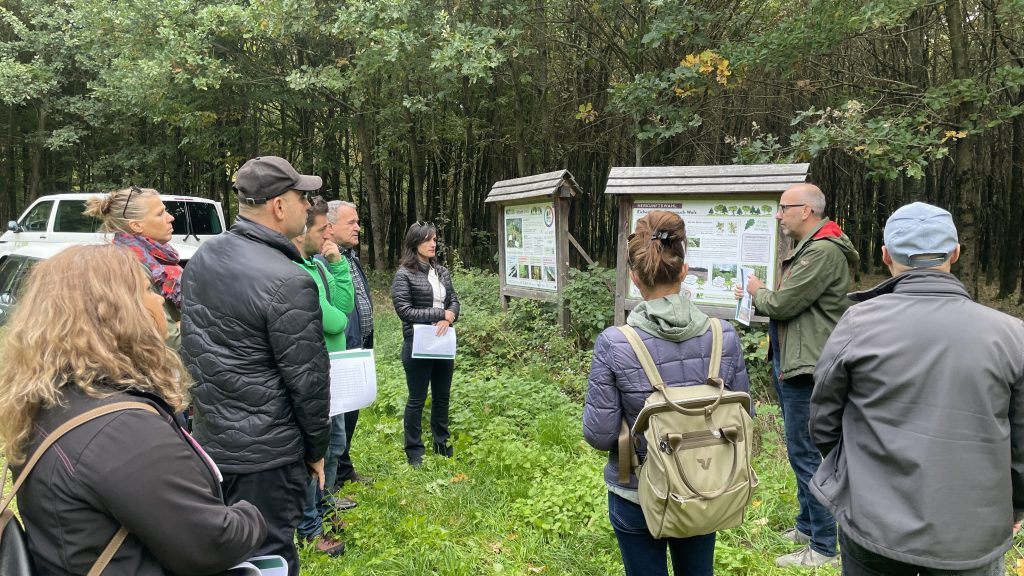
The final working day focused on forest research and climate adaptation. Together with Dr. Silvio Schüler from the Austrian Research Centre for Forests, the delegation visited several experimental sites. These plots are used to understand how different tree species and forest-management methods respond to changing conditions.
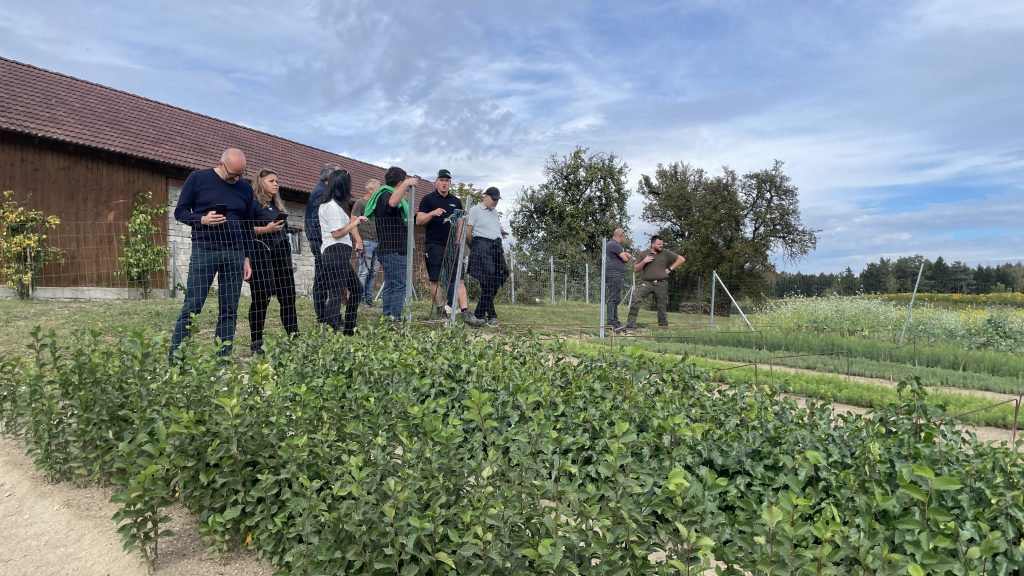
One of the stops was at Wels-Puchberg, where researchers have been following an oak provenance trial since 2007. The trial includes oak material from Austria and several neighbouring countries. By comparing how the trees grow, survive and develop over time, researchers can better understand which seed sources may be most suitable for future forests.
The delegation also learned about Austria’s forest seed orchards. These orchards produce seed from selected tree species, including fir, larch, spruce, oak and maple. The system helps make sure that forest owners have access to quality planting material. For countries facing warmer temperatures, drought and more frequent forest disturbances, this kind of work is becoming increasingly important.
At Königswiesen, the group saw long-term spruce trials that look at the effects of tree spacing and thinning. The plots showed how the number of trees in a stand can influence growth, stability and wood quality. Although the research is highly technical, the message was clear: forest-management decisions made today can shape the condition of a forest for decades.
The Austria visit gave the CNVP delegation many useful examples to reflect on. It showed the value of linking research with everyday forestry practice, investing in training and working closely with local communities. It also confirmed that adapting forests to climate change will require long-term planning, cooperation and a willingness to learn from experience.