

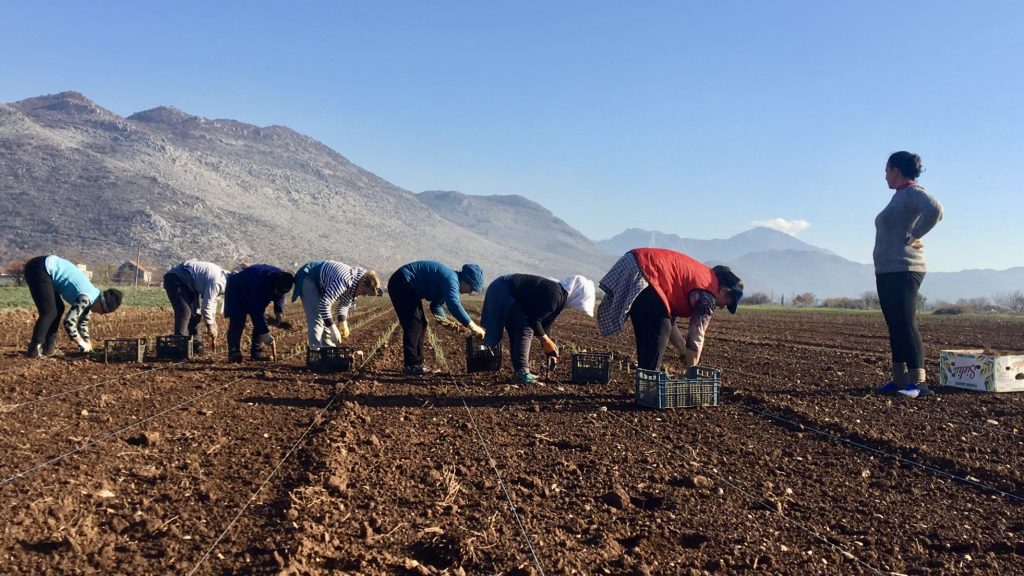
From medicinal plant fields in Albania to wild-fruit businesses in Kosovo and mountain tea plantations in North Macedonia, rural women are turning traditional knowledge into economic opportunities while helping protect the natural resources their communities depend on.
Across the Western Balkans, rural women are at the heart of everyday life. They cultivate the land, collect medicinal plants, process local products, preserve traditional recipes and pass valuable knowledge to younger generations. Yet, their work does not always provide a stable income or equal access to markets and resources.
Through its projects in Albania, Kosovo and North Macedonia, CNVP Foundation works alongside rural communities to change this reality. By strengthening local businesses, improving market access and promoting the sustainable use of natural resources, CNVP helps women turn their skills into opportunities for themselves, their families and their communities.
Their stories show what this support can mean in practice.
Albania: Zimbile Carku finds greater security in medicinal plant farming
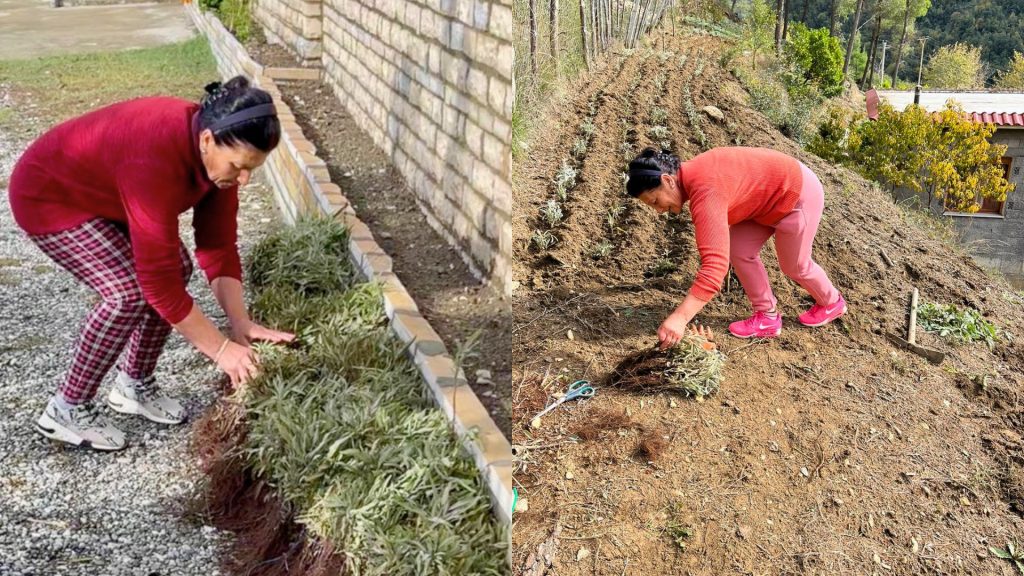
In Bogova, a village in Skrapar, Zimbile Carku spent years collecting wild medicinal and aromatic plants from the surrounding mountains. Her income depended on seasonal harvests, uncertain prices and whether traders would buy everything she collected.
Through CNVP Albania’s Local Economic Development (LED) project, supported by the Swedish Government, Zimbile began cultivating medicinal plants such as sage and calendula on her own land. With access to training, technical support and contract farming, she secured an agreement with local consolidator KALEMI, giving her an agreed price and a guaranteed buyer.
The change was significant. Zimbile improved her production practices, increased her income by 25–30% and gained greater control over her work.
As she explained in her story published by CNVP, knowing who will buy her products and how much she will earn has changed the way she sees her future.
Her experience reflects the difference that practical support can make when rural women have the resources and market connections to build more secure livelihoods. It is also encouraging other women in her community to explore medicinal plant cultivation.
Kosovo: Kadrije Mustafa turns wild apples into a growing business
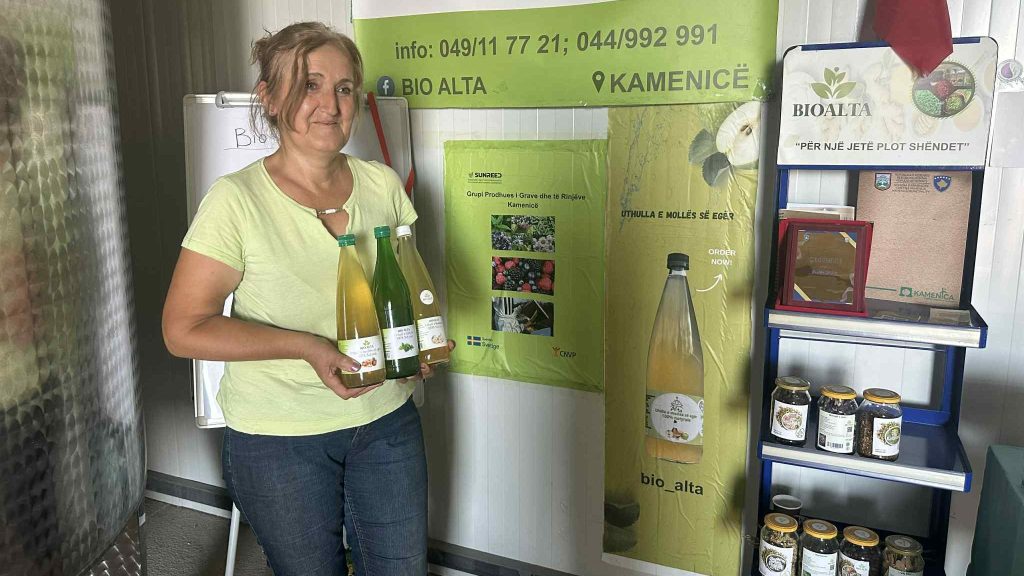
In Kamenica, Kosovo, Kadrije Mustafa has built a business around something readily available in her region: wild apples.
Through her business, Bio Alta, she transforms locally collected apples into apple cider vinegar using traditional methods, while also producing natural herbal teas and other vinegars. Established in 2022, the business has grown from producing around 1,000 litres of vinegar in its first year to 4,000 litres in 2025, with production expected to reach 6,000 litres in 2026.
CNVP Kosovo supported this growth through the SUNREED project, providing equipment that helps Bio Alta improve production capacity, efficiency and quality control.
The impact reaches beyond Kadrije’s business. Bio Alta now works with approximately 70 farmers and collectors, including around 30 women, creating additional opportunities for local people to earn income from wild-fruit collection. The company also employs four women among its seven employees and distributes its products through more than 200 supermarkets across Kosovo.
Kadrije’s story shows how a local resource, combined with entrepreneurial determination and the right investment, can become a growing business that benefits an entire community. Info for Bio Alta Info for Bio Alta
North Macedonia: Women preserving traditions and creating new opportunities
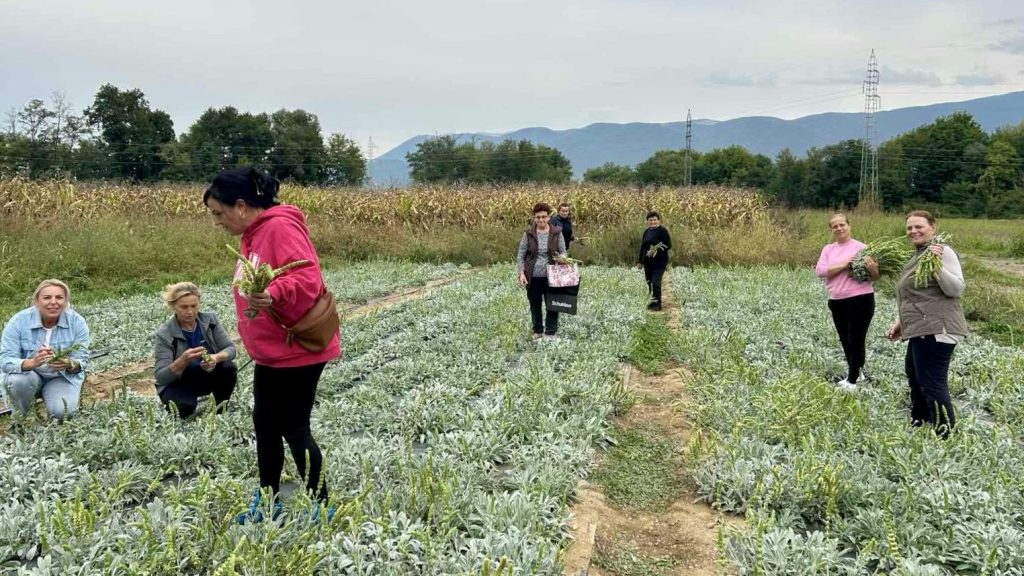
In North Macedonia, the connection between rural women’s livelihoods and nature is particularly visible in the cultivation of mountain tea.
In Prespa, the Rural Women of Prespa association, which brings together more than 20 women, is working to preserve local traditions while developing new economic opportunities. Its members cultivate mountain tea and share their knowledge of traditional cuisine, including recipes that use the herb in distinctive regional dishes.
Through the Rural Women for Sustainable Development of Prespa project, CNVP Foundation and the Prespa Ohrid Nature Trust (PONT) support the women in strengthening their skills, improving product quality and promoting their local products. The work also encourages sustainable cultivation and harvesting to protect the area’s biodiversity.
Their efforts show that traditional knowledge can be more than a cultural inheritance. It can also become a source of income and a foundation for sustainable tourism.
Further west, in the village of Tumchevishte near Gostivar, members of the Moja Farma women’s association cultivate mountain tea and strengthen their knowledge of sustainable natural resource management. Their work demonstrates how women can organise around local resources, preserve environmentally responsible practices and contribute to rural economic development.
In the village of Trebishte, within Mavrovo National Park, Anife Abduli, an individual female farmer, also cultivates mountain tea. Her work reflects the potential for small-scale farming to create local opportunities while maintaining a close relationship with the surrounding natural environment.
Together, these women and associations illustrate an important part of CNVP’s work in North Macedonia: supporting rural women to develop their activities while protecting the natural resources and traditions that make their communities unique. CNVP’s wider efforts in the region connect women’s economic participation with biodiversity conservation and the sustainable use of non-timber forest products.
When rural women thrive, communities grow stronger
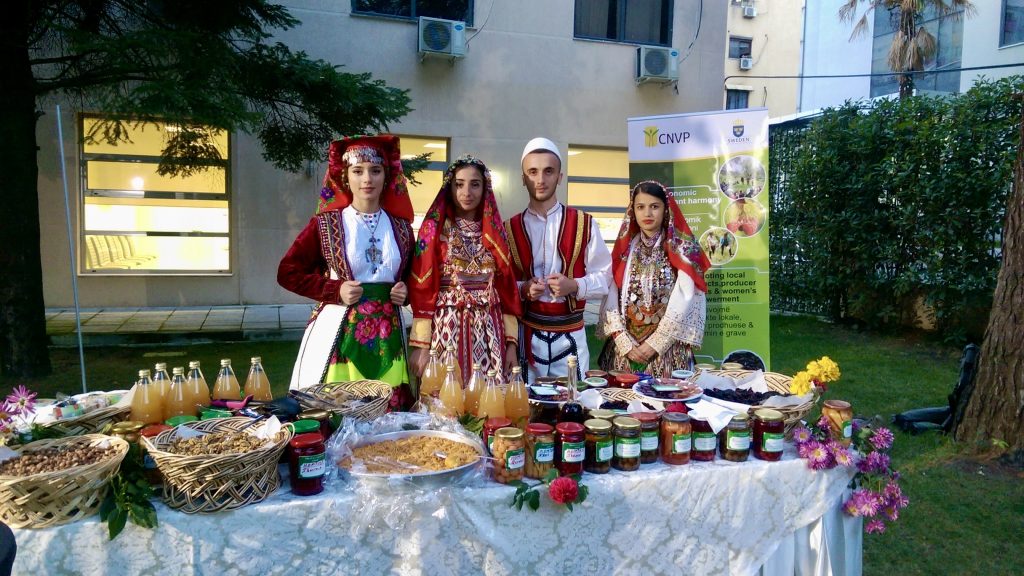
The experiences of Zimbile, Kadrije and the women of North Macedonia may differ, but they share a common thread. Each woman is building on the knowledge and resources available in her community to create something more secure for the future.
Their stories also demonstrate that empowerment requires more than recognition. Women need access to training, equipment, finance, markets and opportunities to participate in decisions that affect their livelihoods.
Through its work across the Western Balkans, CNVP Foundation supports these opportunities, connecting rural development with environmental protection and stronger local economies.
On the International Day of Rural Women, we celebrate the women who cultivate the land, preserve traditions, build businesses and care for the landscapes that sustain their communities.
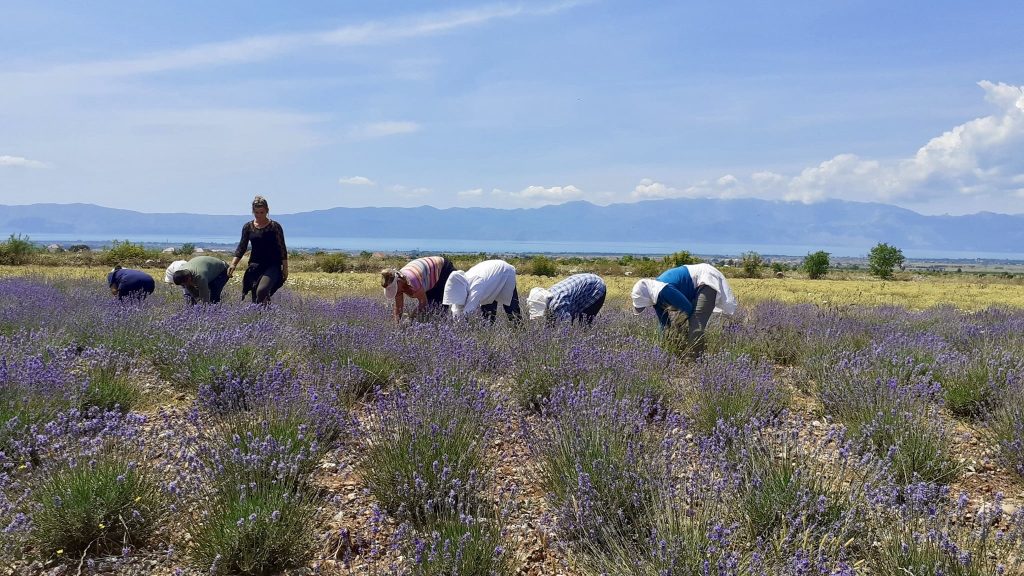
Their work deserves recognition. Their knowledge deserves investment. And their opportunities should be as great as their contribution to rural life.